Subscription Trap: 5 Costly Signs The Spending You Forgot Is Still Draining Your Money
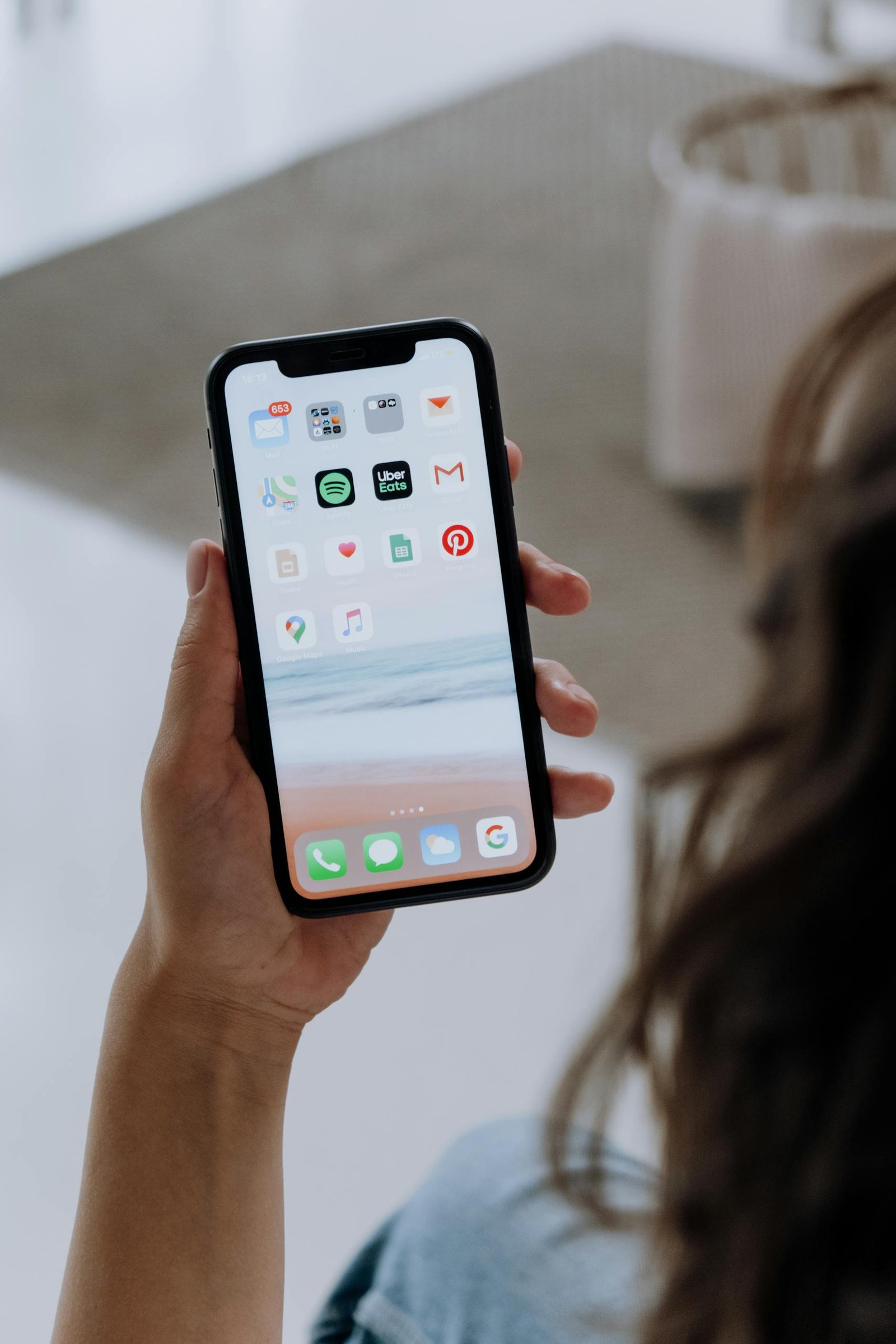
The subscription trap epidemic usually boils down to a tracking problem more so than an income issue. The subscription trap works because small charges look harmless one by one. $7.99 here. $14.99 there. $19.99 somewhere else. None of it feels serious in the moment. Then the month closes, and real money is gone. If you have ever looked at your bank statement and thought, “Why is this lower than expected?” there is a good chance the subscription trap is part of the answer.
Convenience is expensive when it goes unmanaged. We can have services we enjoy. But it is about paying for these services on purpose. If your money is leaving without thought, you have handed control to autopay. If you need a place to rebuild your money system from the ground up, start with the Your Money Era Starter Guide.
1. The Subscription Trap Gets Dangerous When You Never Total the Charges

Single charges rarely create urgency. Combined charges do. That is where the math changes. Ten subscriptions averaging $12 each is $120 a month. That is $1,440 a year. Many households are paying more than that because prices rise in the background of life and add-ons get layered in over time. According to a C+R Research subscription spending survey, many consumers underestimate what they spend each month on subscriptions. That is how the subscription trap survives. It stays scattered.
Real-world example: streaming service, music app, cloud storage, meal planner, premium fitness app, meditation app, shipping membership, password manager, photo storage, kids learning app. None of these sounds outrageous alone. Together, they can equal a car insurance payment or a meaningful investment contribution.
Your move is simple: list every recurring charge in one place. Monthly, quarterly, annual. Put real numbers beside each one. Hidden spending hates the exposure of daylight.
2. You Are Paying for Intentions, Not Actual Use

A lot of subscriptions were purchased with good intentions. Learn a language. Work out daily. Meal prep every week. Read more books. Organize your files. Build a side hustle. Intentions are cheap. Renewals are not. The subscription trap gets expensive when old goals keep billing new paychecks.
The subscription trap often lives in the gap between who you meant to be and what your real life looks like right now. If you have not opened the app in three months, you are not buying progress. You are funding a fantasy version of your calendar. Be honest without being dramatic. If the gym app is untouched, cancel it. If the course portal has been ignored for six months, pause it. If the premium planner tool became digital wallpaper, remove it.
Use this rule: if it has not helped your real routine in the last 30 days, it needs a review.
3. The Subscription Trap Loves Overlap

This is where smart people waste money fast. You bought one service for one purpose, then added another later, then another after that. Now three companies are charging you to solve one problem.
Examples:
- Three streaming services but you only watch one regularly
- Two grocery delivery memberships
- Multiple AI or productivity tools doing similar tasks
- Music bundled inside one plan while paying separately for another music service
- Cloud storage across two brands
Overlap happens because each purchase felt separate. But your bank account feels the total.
The Federal Trade Commission has also highlighted how recurring billing and subscription practices can create consumer confusion, which is why reviewing terms and renewals matters. See FTC guidance on free trials, auto-renewals, and subscriptions.
Do an overlap audit. Ask one question for each category: what is the single best tool I actually use? Keep the winner. Cut the duplicates. That is one of the fastest ways to break the subscription trap. Simple systems outperform cluttered systems every time.
4. Background Noise Is Why You Stopped Questioning Charges

Once a charge becomes familiar, many people stop seeing it. That is the most profitable stage of the subscription trap. The bank statement becomes wallpaper. Charges blend in. Renewal emails get ignored. Annual plans hit unexpectedly because you forgot the original signup date. If you never review recurring spending, autopay becomes the decision-maker.
Fix it with structure:
- Review your bank statement once a week for five minutes
- Review all subscriptions once a month
- Put annual renewal dates on your calendar
- Turn off renewals for anything seasonal or optional
- Use one card for subscriptions so charges stay visible
You need a repeatable process. When money has a routine, waste has fewer places to hide.
5. You Do Not Need More Services. You Need Fewer Charges That Matter
Many people keep adding tools because they think better results are one more purchase away. Usually the opposite is true. More apps do not automatically create better health, productivity, entertainment, or organization. Often they create friction, decision fatigue, and scattered spending. The subscription trap ends when you decide fewer strong tools beat many average ones.
Keep subscriptions that clearly do one of these jobs:
- Save significant time
- Replace a higher cost alternative
- Improve something you use weekly
- Support income growth
- Serve your household consistently
Everything else should face a hard review.
Real-world example: one reliable grocery delivery plan for a busy family may be worth it. Four unused lifestyle apps are not. Money respects usefulness. Start there. The subscription trap weakens when every charge must prove its value.
Build a Subscription Reset in One Hour
If your list feels messy, do not overcomplicate it. Use this one-hour reset:
Minutes 1–15: Pull bank and credit card statements.
Minutes 16–30: Write down every recurring charge.
Minutes 31–45: Mark each one keep, cut, or test for 30 days.
Minutes 46–60: Cancel cuts immediately and set reminders for tests.
That one hour can create monthly breathing room, annual savings, and better control going forward. It can also expose the subscription trap before another billing cycle starts.
Your Money Era Moment
The subscription trap is generally about small unchecked charges collecting rent inside your budget. Take your authority back. Keep what earns its place. Remove what does not. Money moves better when every dollar has a job.
Build smart. Spend on purpose.
Diana Latrice