
Social Media Keeping You Broke: 4 Costly Reasons Your Feed Is Hurting Your Finances
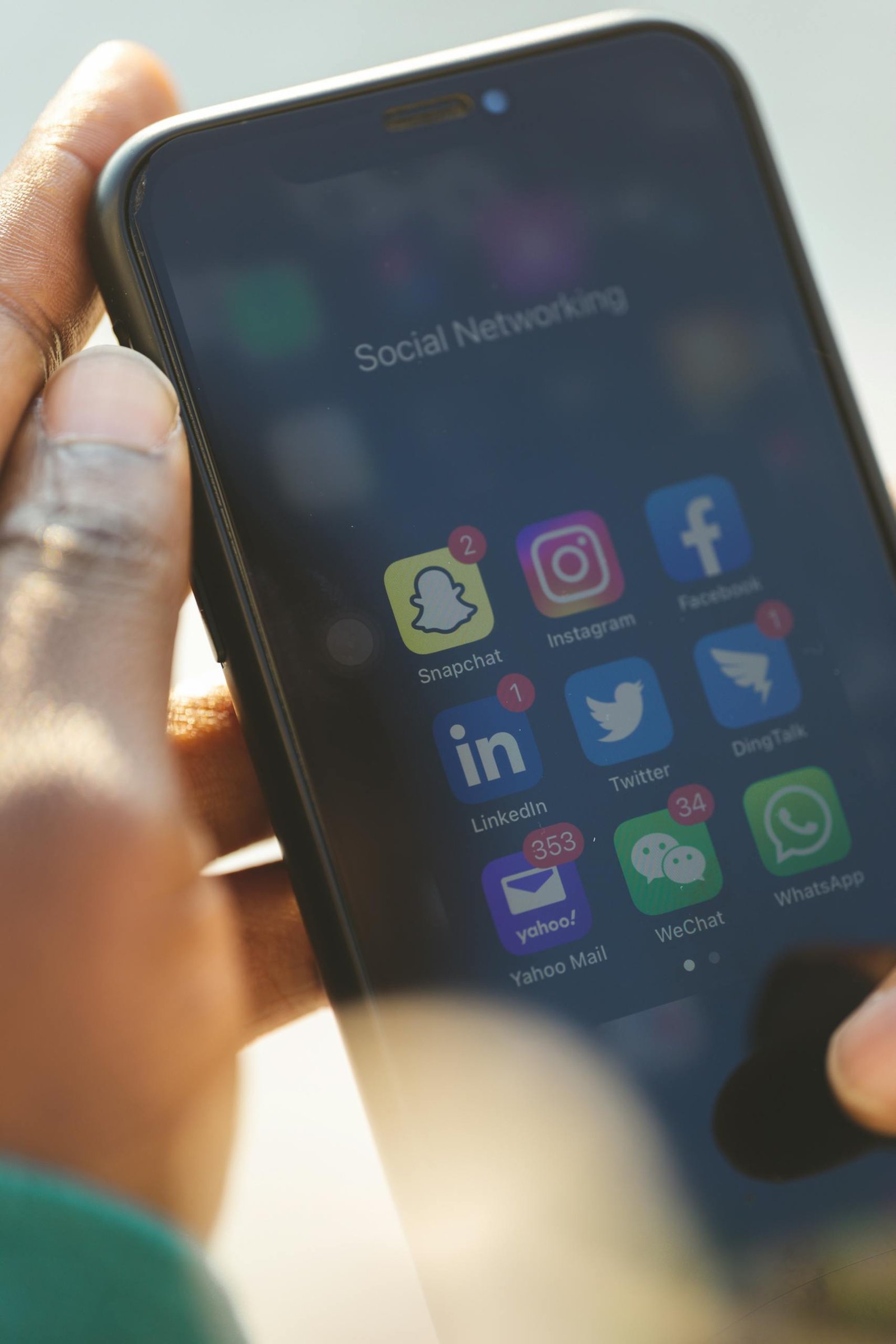
If social media keeping you broke sounds dramatic, look at your bank statement before you dismiss it. Many people are not losing money because of one huge mistake. They are losing it through small daily nudges. A swipe here. A trend there. A purchase that felt harmless in the moment. Over time, those choices become real dollars missing from savings, investing, and debt payoff.
Your feed is not neutral. It is designed to hold attention, trigger desire, and keep you consuming. If you do not have a money system, someone else’s marketing system will happily take over. That is why social media keeping you broke is a real issue for many households.
If you need a place to start, the Your Money Era Starter Guide can help you organize your next moves.
1. Social Media Keeping You Broke Through the Highlight-Reel Trap

Most feeds show edited success. Vacations on credit. Designer bags financed over time. Apartments decorated with buy-now-pay-later balances. People rarely post the payment plans, debt totals, or stress attached to those purchases.
That creates a false normal. You start thinking everyone upgrades constantly, everyone travels monthly, everyone buys premium products without consequence. They do not.
When fake wealth becomes normal, overspending starts to feel reasonable. That is how social media keeping you broke begins quietly.
Real-world example: someone sees three influencers posting luxury skincare routines. They replace perfectly good products with a $300 monthly routine. Nothing was broken except their budget.
According to the Federal Reserve report on household economic well-being, many Americans would struggle with unexpected expenses. That means flashy spending online often hides fragile finances offline.
Your move: treat social media as entertainment, not evidence. A polished post does not prove financial success.
2. Stop Letting Algorithms Decide Your Spending When Social Media Keeping You Broke Becomes the Pattern

Algorithms study clicks, pauses, likes, and searches. If you looked at one handbag, home makeover, fitness gadget, or luxury travel clip, expect more of the same.
That matters because repeated exposure lowers resistance. The product starts to feel familiar. Familiar starts to feel necessary. Necessary becomes checkout.
Social media keeping you broke often looks like this:
You planned to buy groceries.
You opened an app for five minutes.
You left wanting new shoes, a candle set, and a kitchen organizer.
That is not random. It is engineered attention.
A strong money rule is simple: if an app keeps increasing your spending urges, change how you use it. Unfollow accounts that trigger comparison. Mute brand-heavy creators. Remove stored payment methods. Set app timers.
Research from the American Psychological Association on consumer behavior supports the reality that marketing influences attitudes and buying behavior. You are not imagining the pressure.
Your move: stop calling it weakness. Call it exposure, then reduce exposure.
3. Replace “You Deserve It” With a Real Money System

“You deserve it” is one of the most expensive phrases in modern marketing.
Yes, you deserve good things. You also deserve paid bills, cash reserves, investing accounts, and choices. That is how social media keeping you broke gets replaced with real progress. If every hard day ends in spending, your emotions are running the budget.
This is where a real system beats impulse every time. Use a simple order:
- Cover essentials.
- Build emergency savings.
- Pay down high-interest debt.
- Invest consistently.
- Spend guilt-free from what remains.
That structure protects you from emotional purchases disguised as self-care.
Example: instead of buying a $180 reward haul after a rough week, move $150 to savings and use $30 for something planned and affordable. You still enjoy life, but your future gets paid too.
Social media keeping you broke loses power when your dollars already have assignments.
Your move: create categories before payday. Money with a job is harder to waste.
4. Build a Life That Does Not Need to Be Posted

A lot of people are financing appearances. Nice dinners for photos. Trips for content. Cars for status. Decor for approval. None of that creates wealth by itself.
Real wealth is usually less dramatic. Automatic transfers. Retirement contributions. Debt balances dropping. Cash growing. Skills improving. Income rising. Those wins are powerful, but they are not always photogenic.
That is why social media keeping you broke can end the moment you stop performing for strangers.
Ask better questions:
- Does this purchase improve my real life?
- Can I pay cash without strain?
- Would I still want it if nobody saw it?
- What opportunity cost comes with this money leaving my account?
If the answer is weak, keep the money.
Your move: build a private life so solid you do not need public applause.
The Better Money Reset
If your feed has been influencing your wallet, do not overcomplicate the fix.
- Audit subscriptions and impulse purchases from the last 90 days.
- Unfollow five accounts that trigger wasteful spending.
- Increase one automatic savings transfer this week.
- Create a 24-hour wait rule for nonessential purchases.
- Spend more time building income than browsing lifestyles.
Those are boring moves online. They are profitable moves in real life. If social media keeping you broke has become expensive background noise, these habits cut the volume quickly.
Your Money Era Moment
Social media keeping you broke ends when you stop funding appearances and start funding your future. The strongest flex is ownership, cash reserves, and options that nobody can swipe past.
Build real numbers, not fake status.
Diana Latrice.